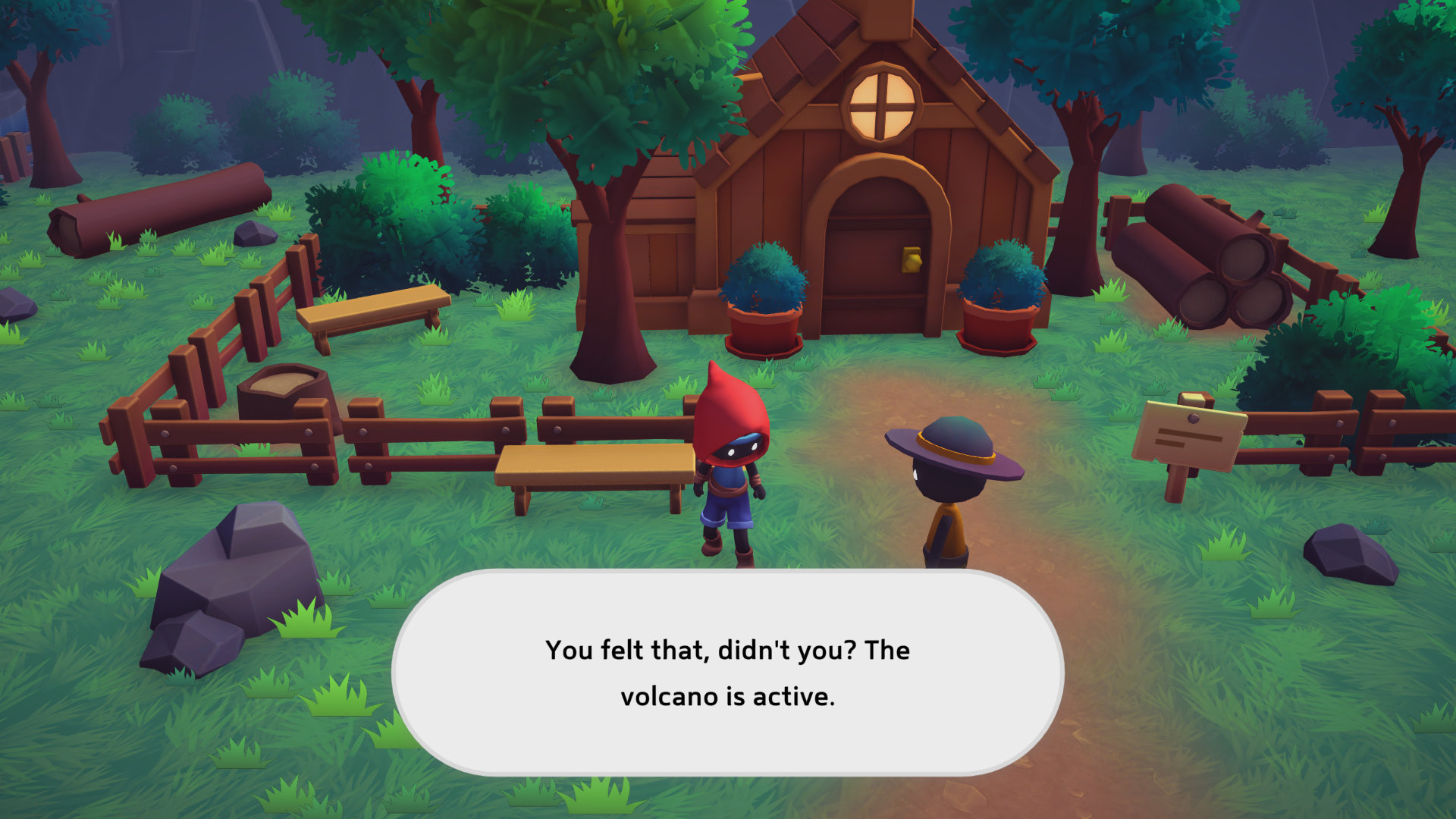
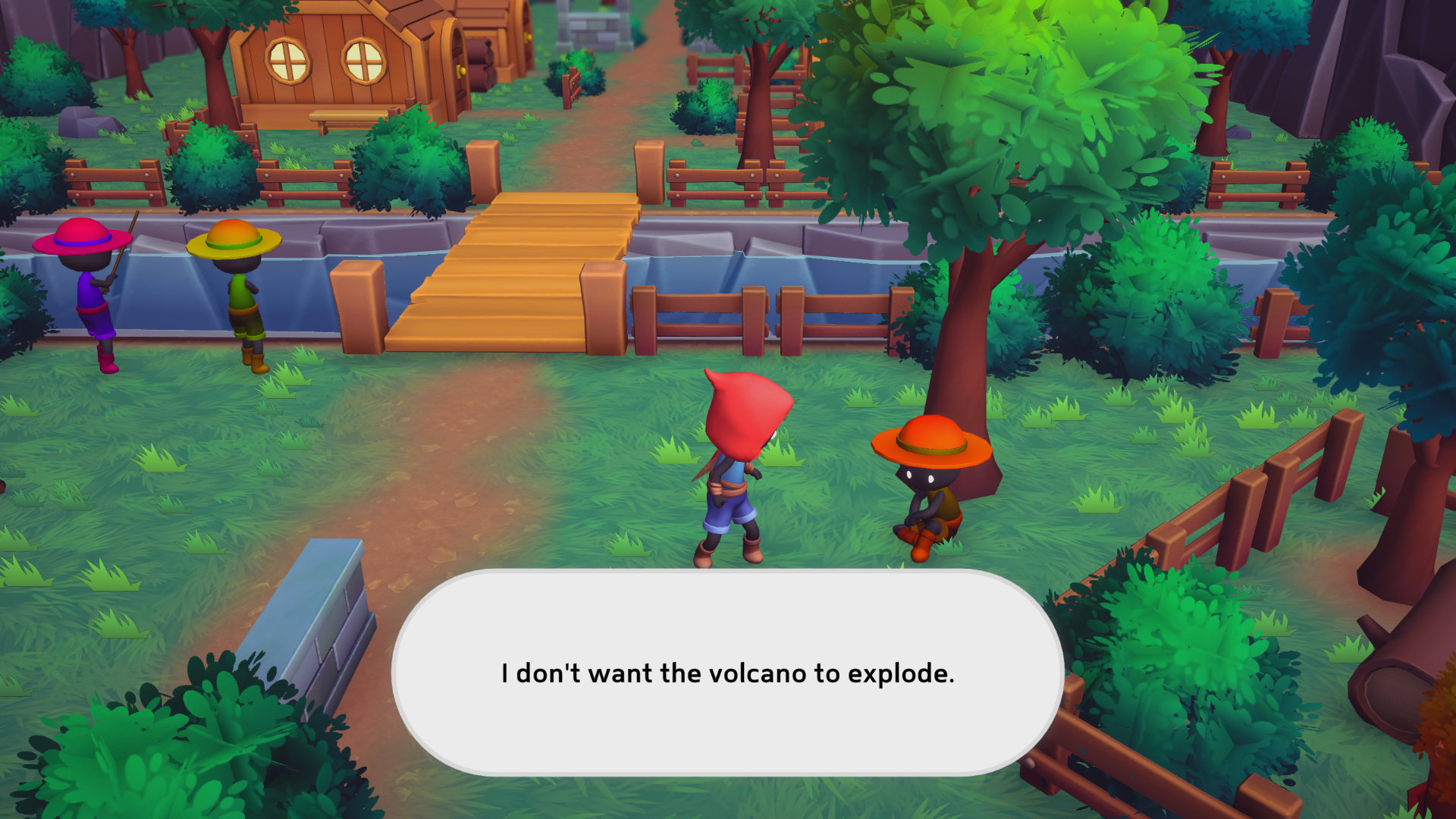
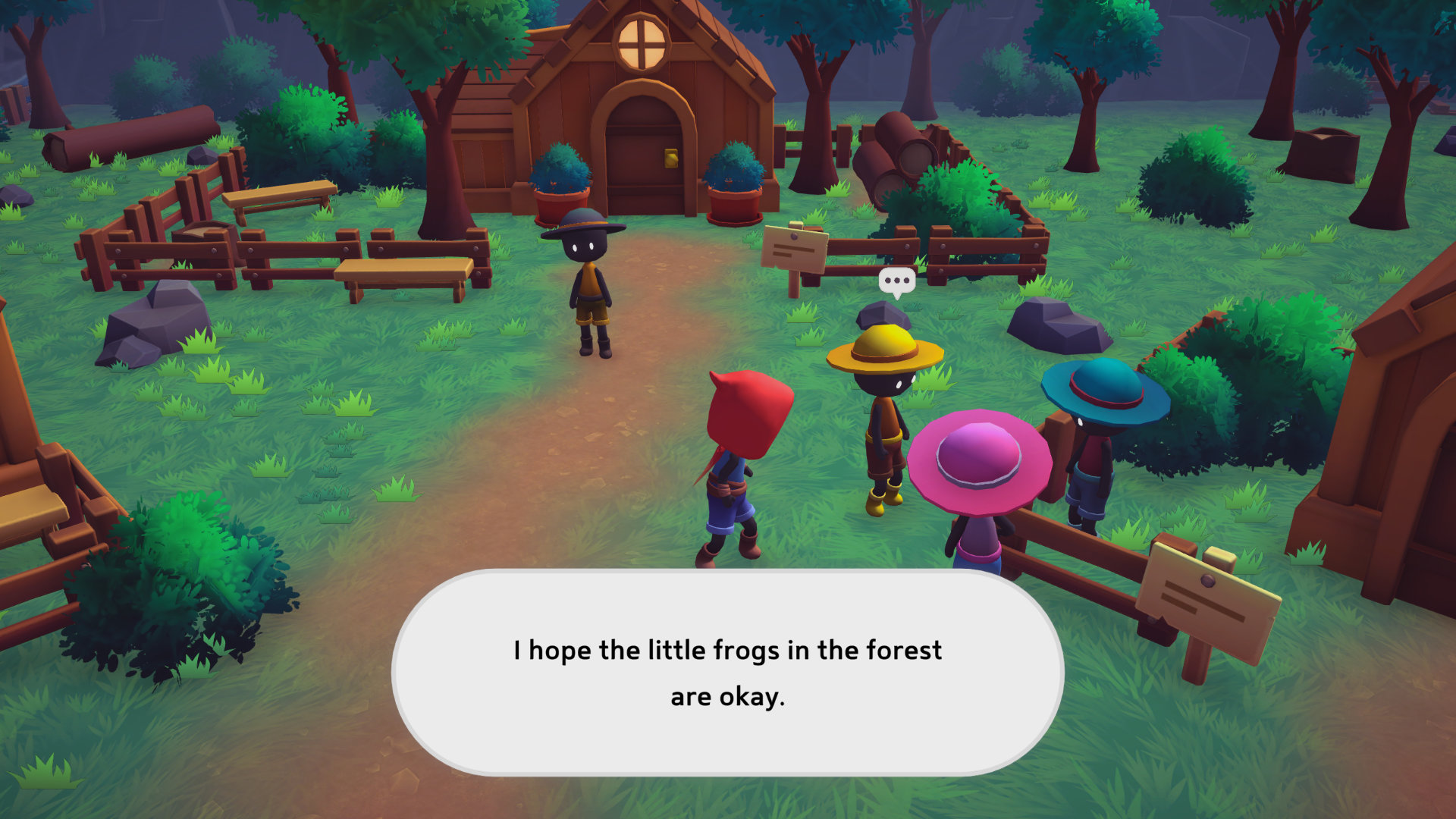
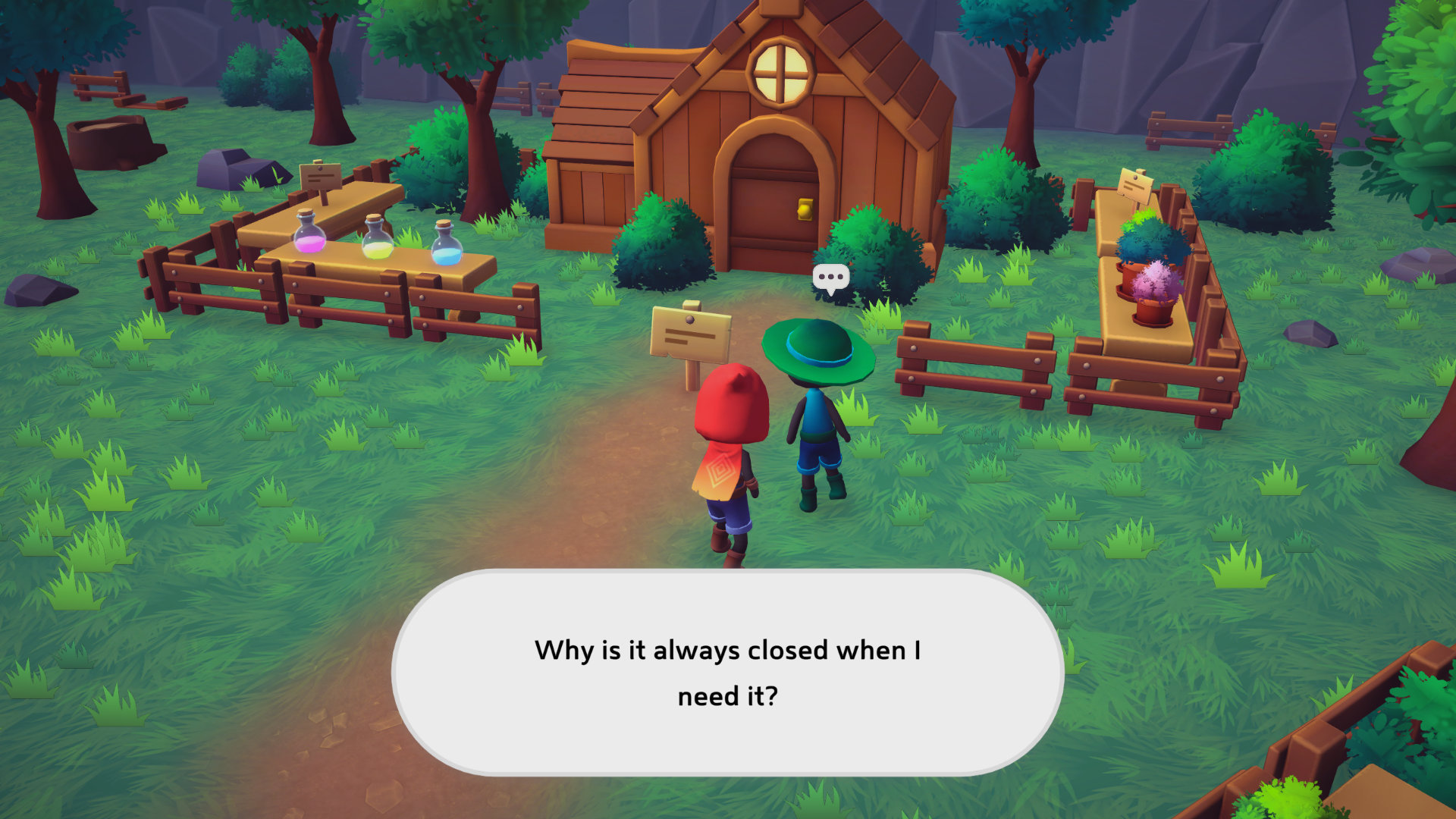
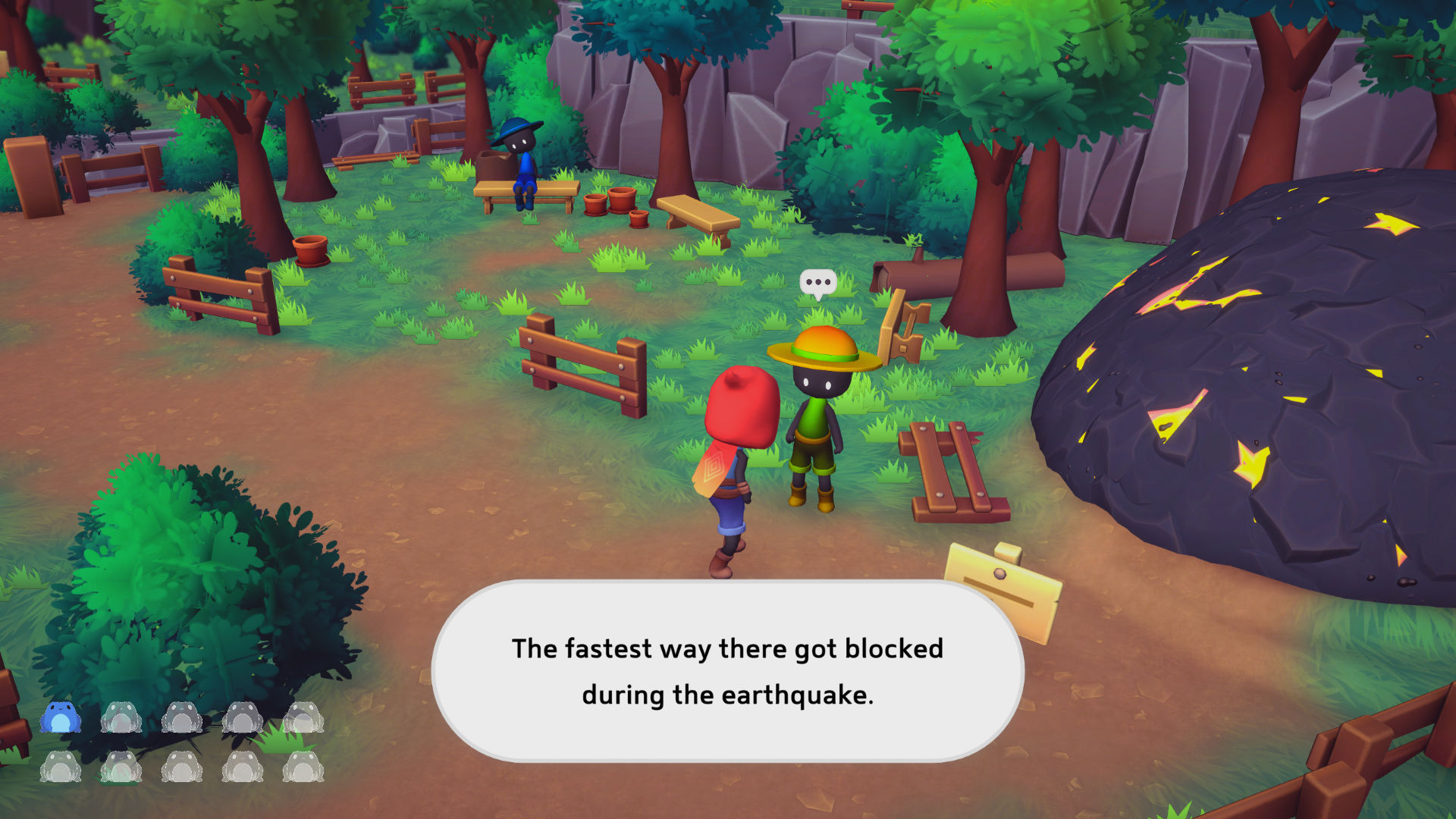
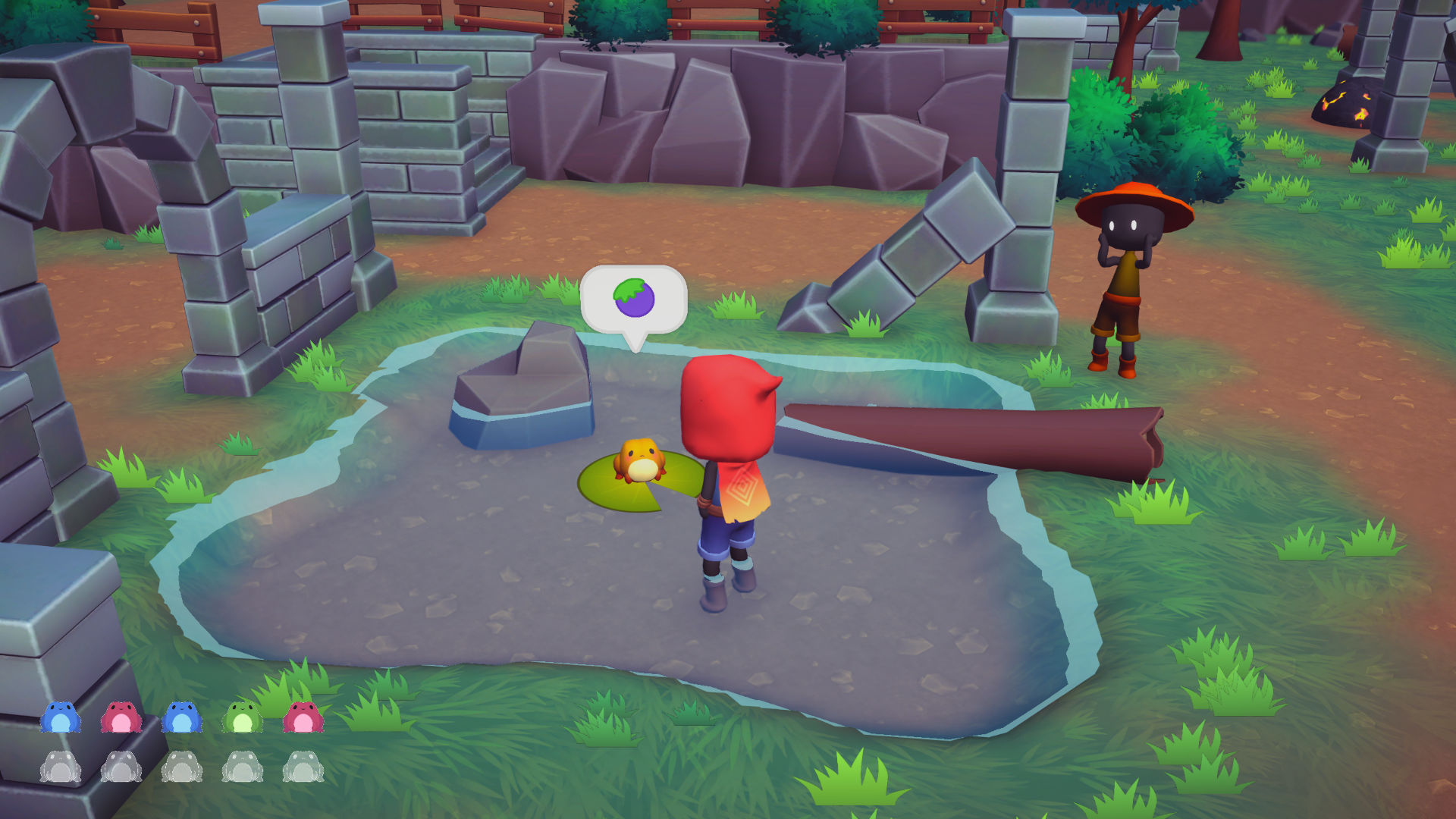
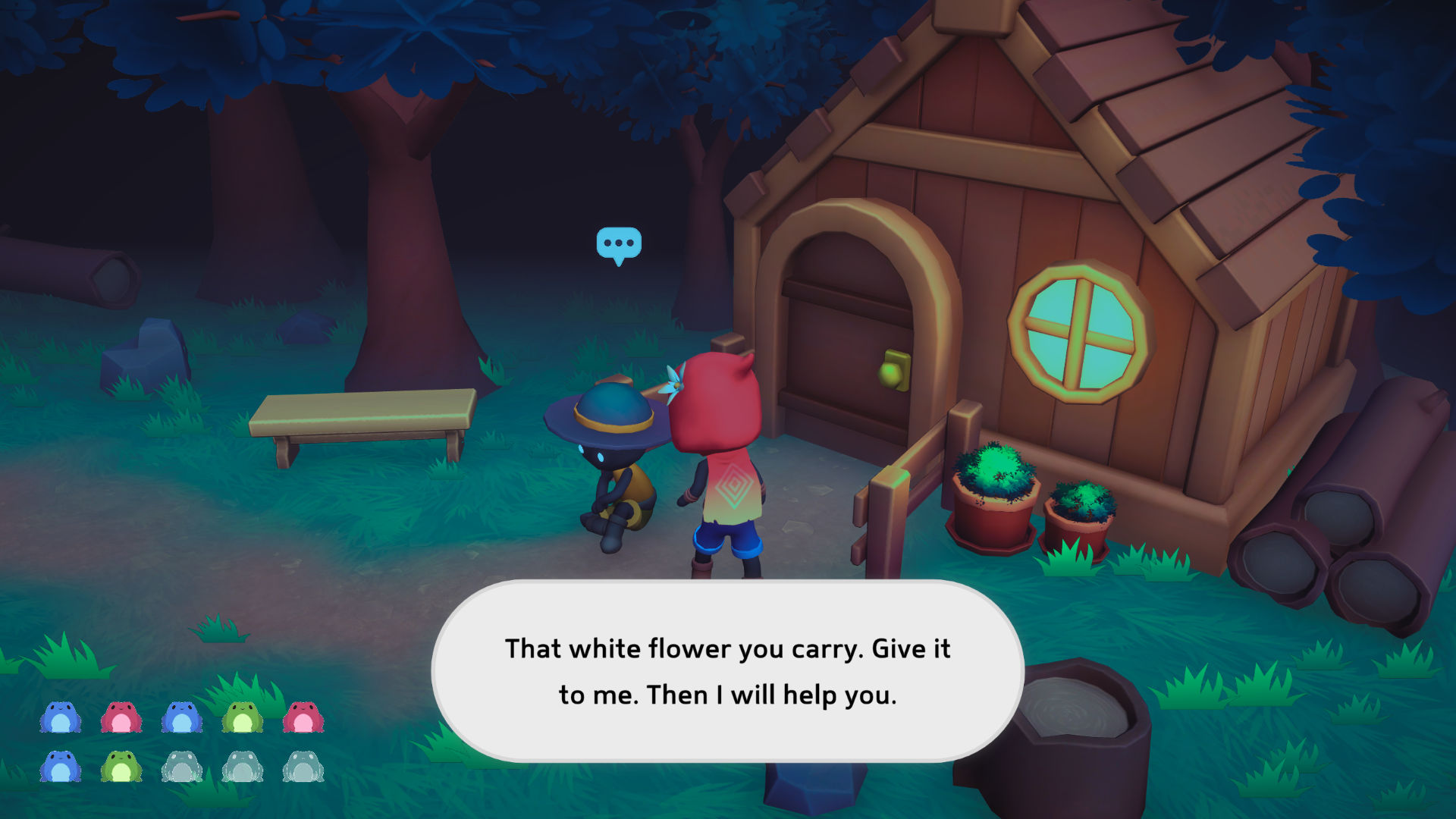
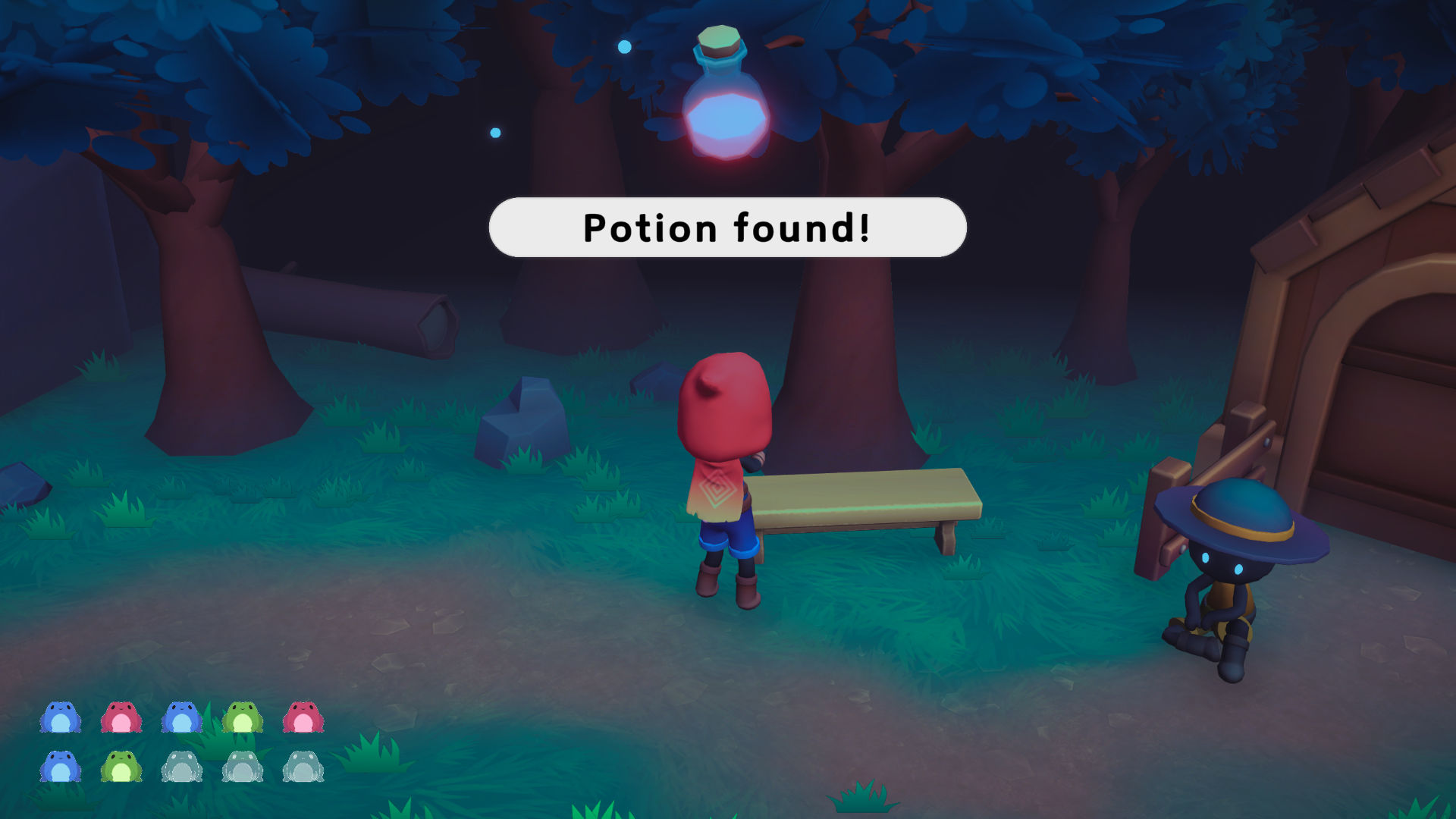
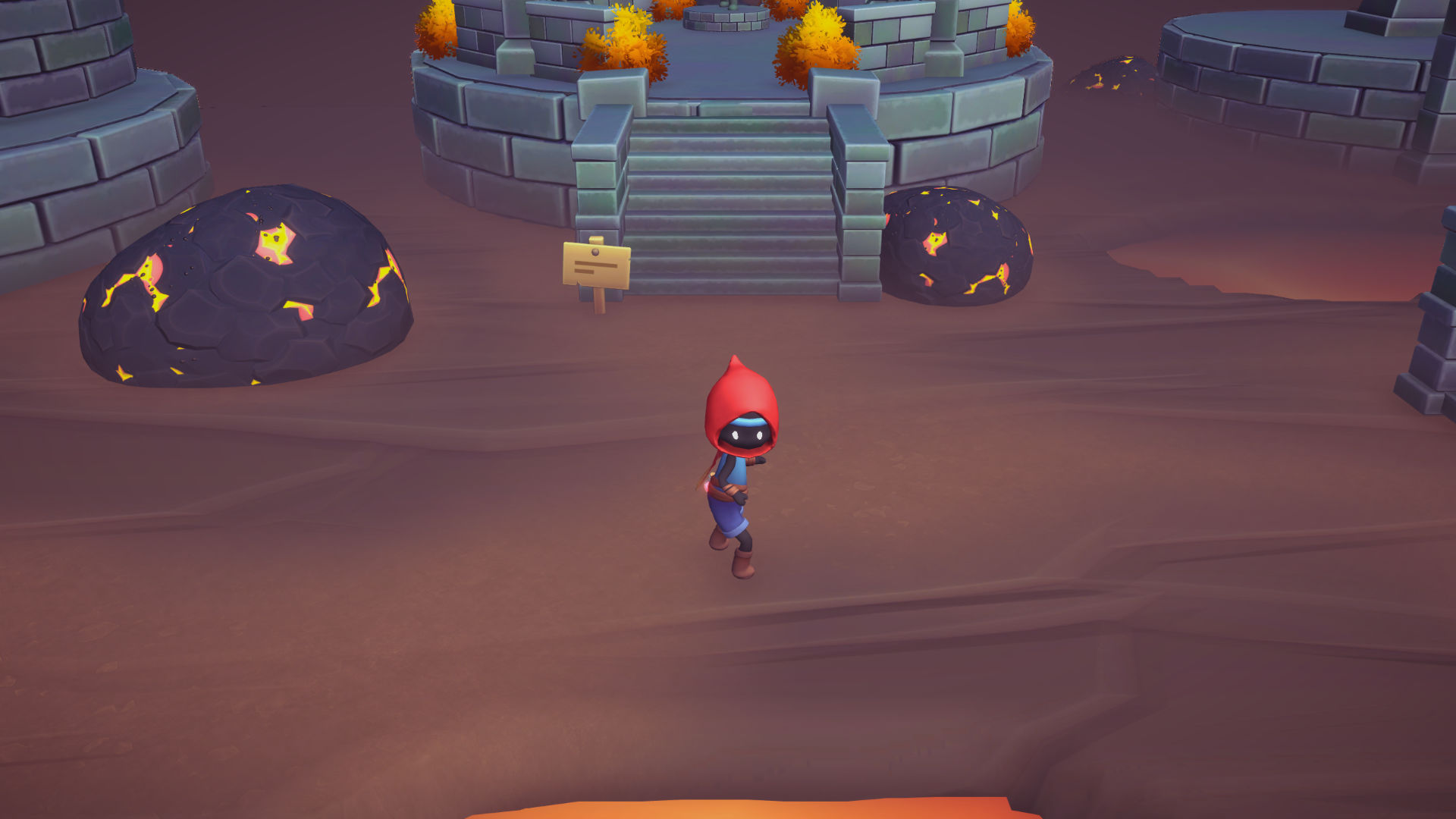
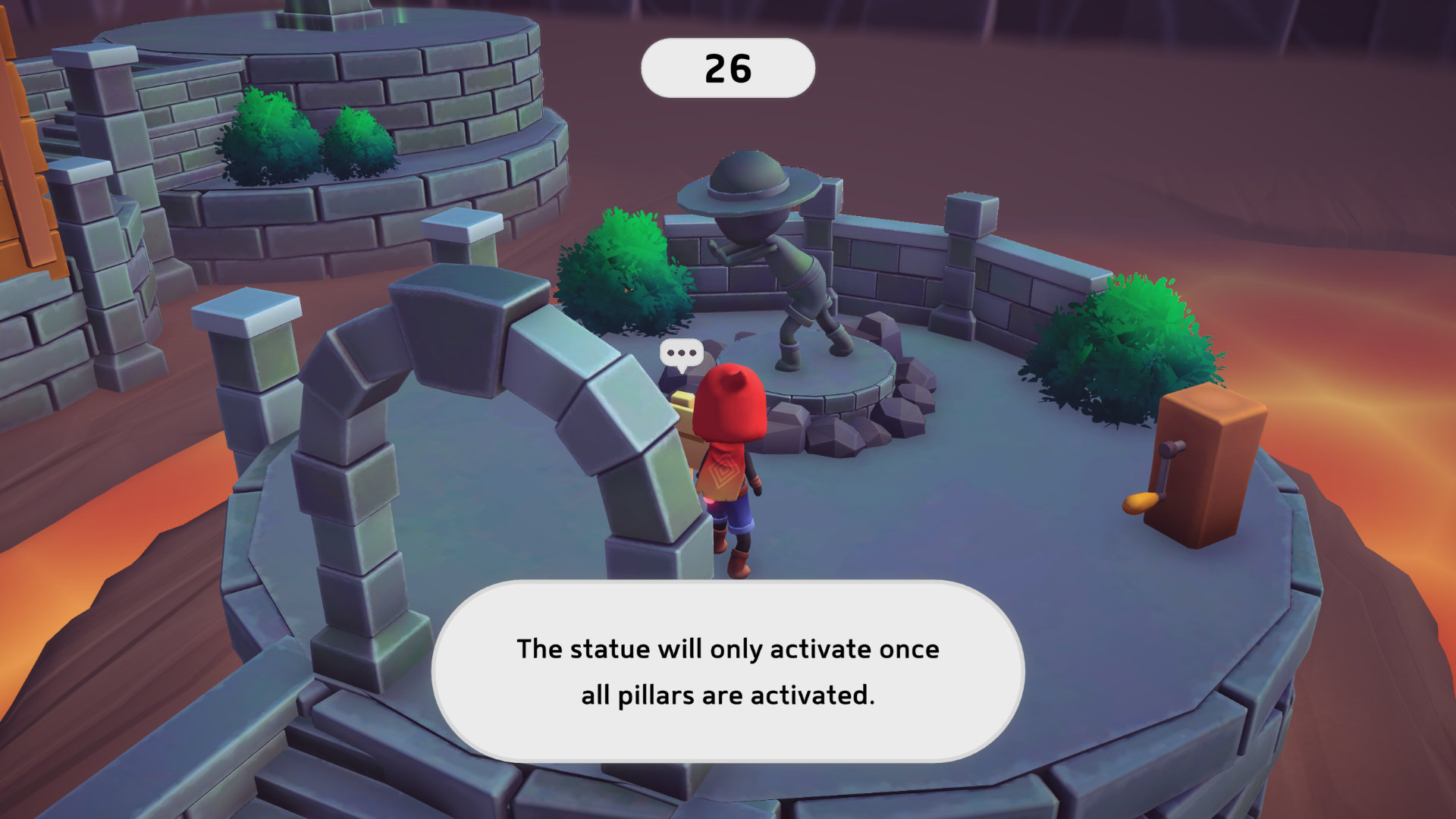
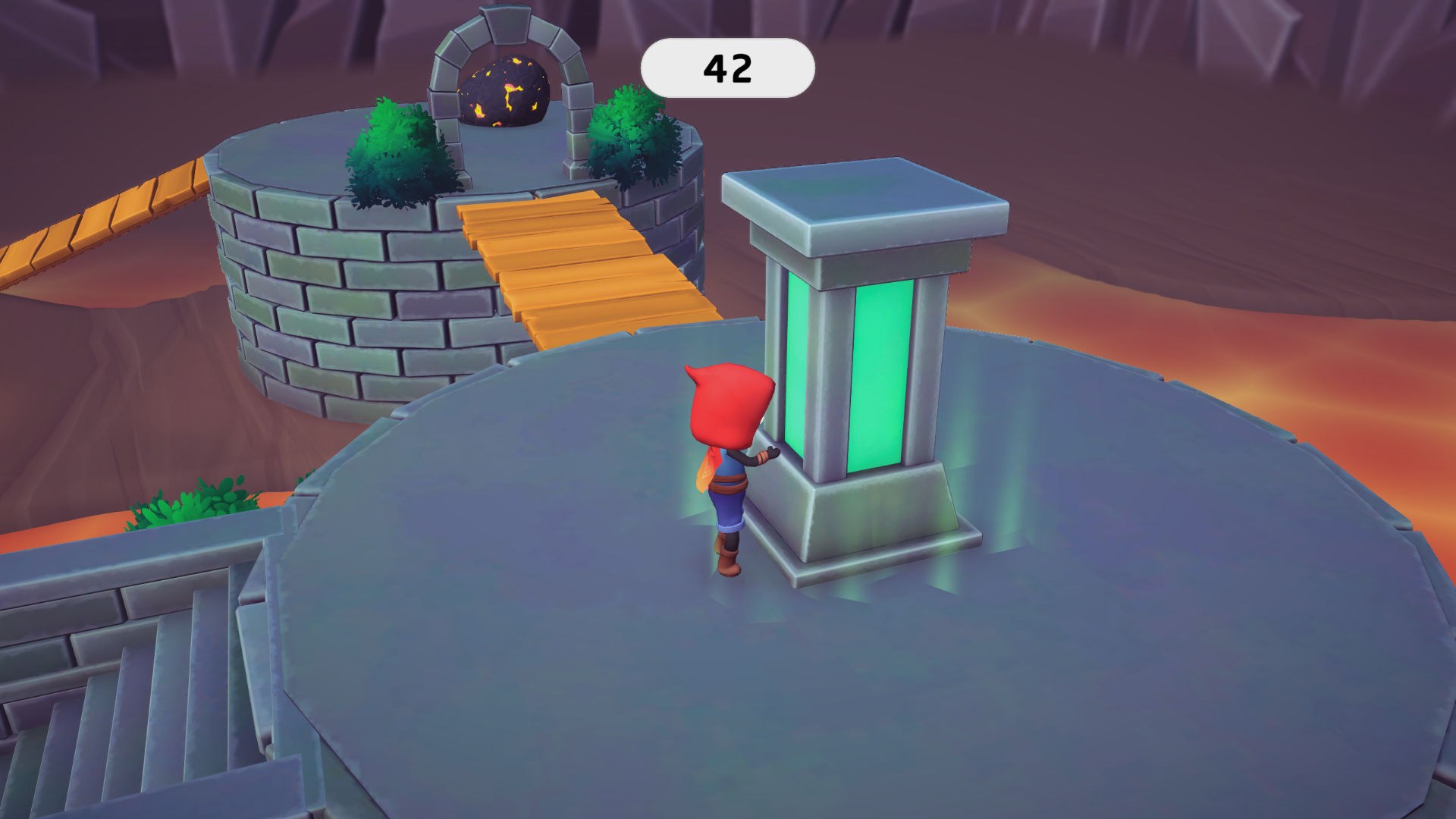
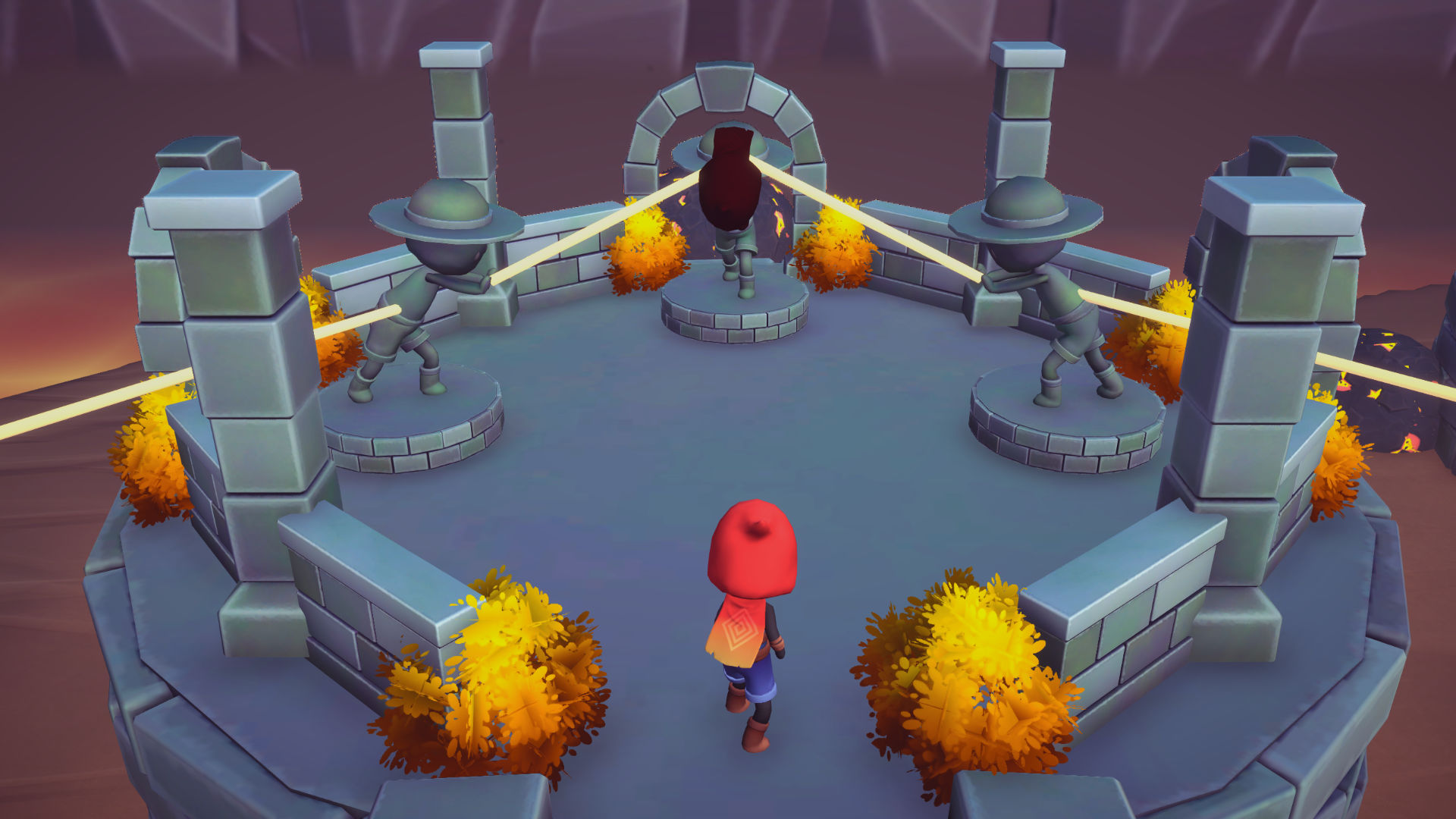
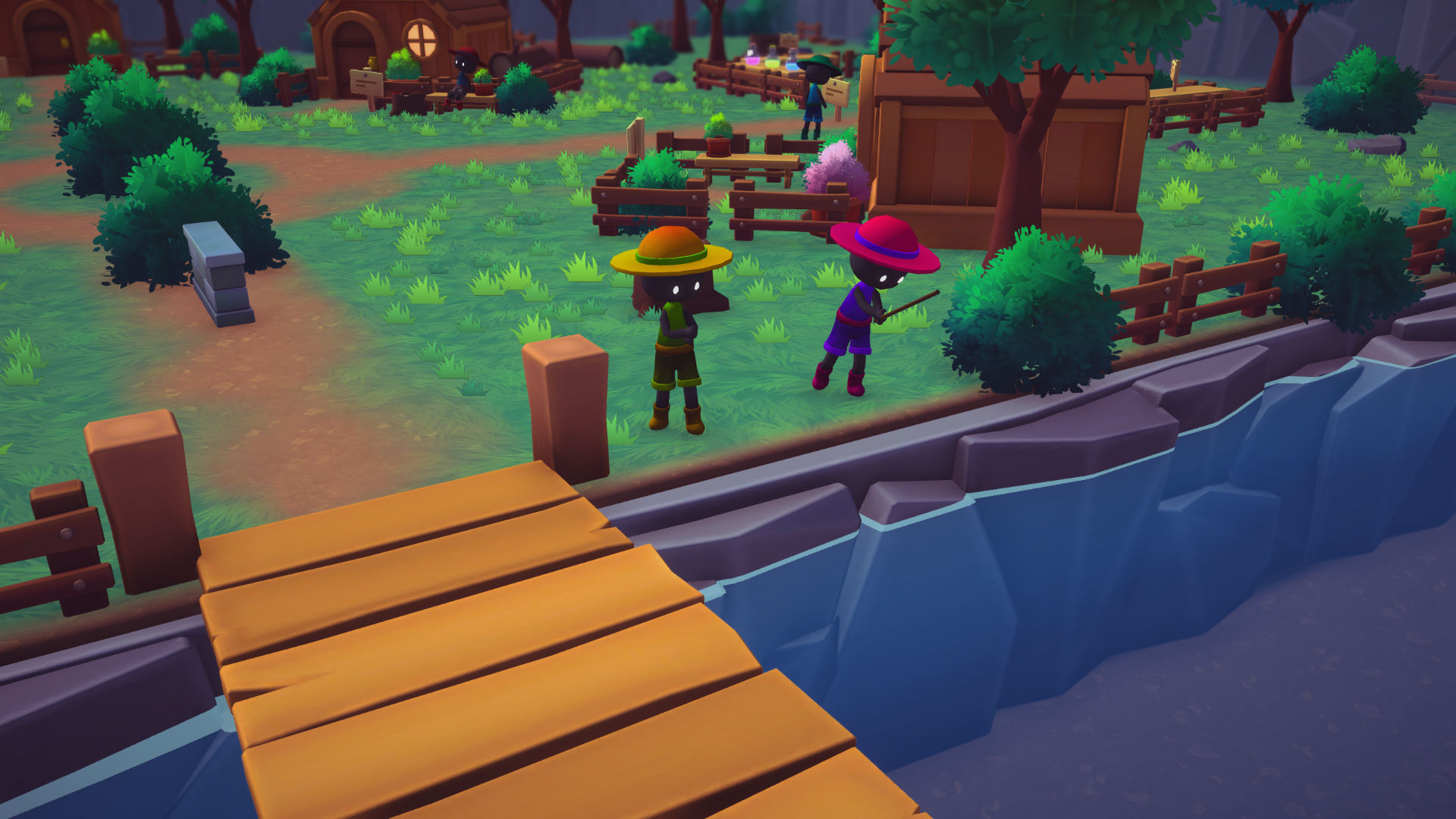
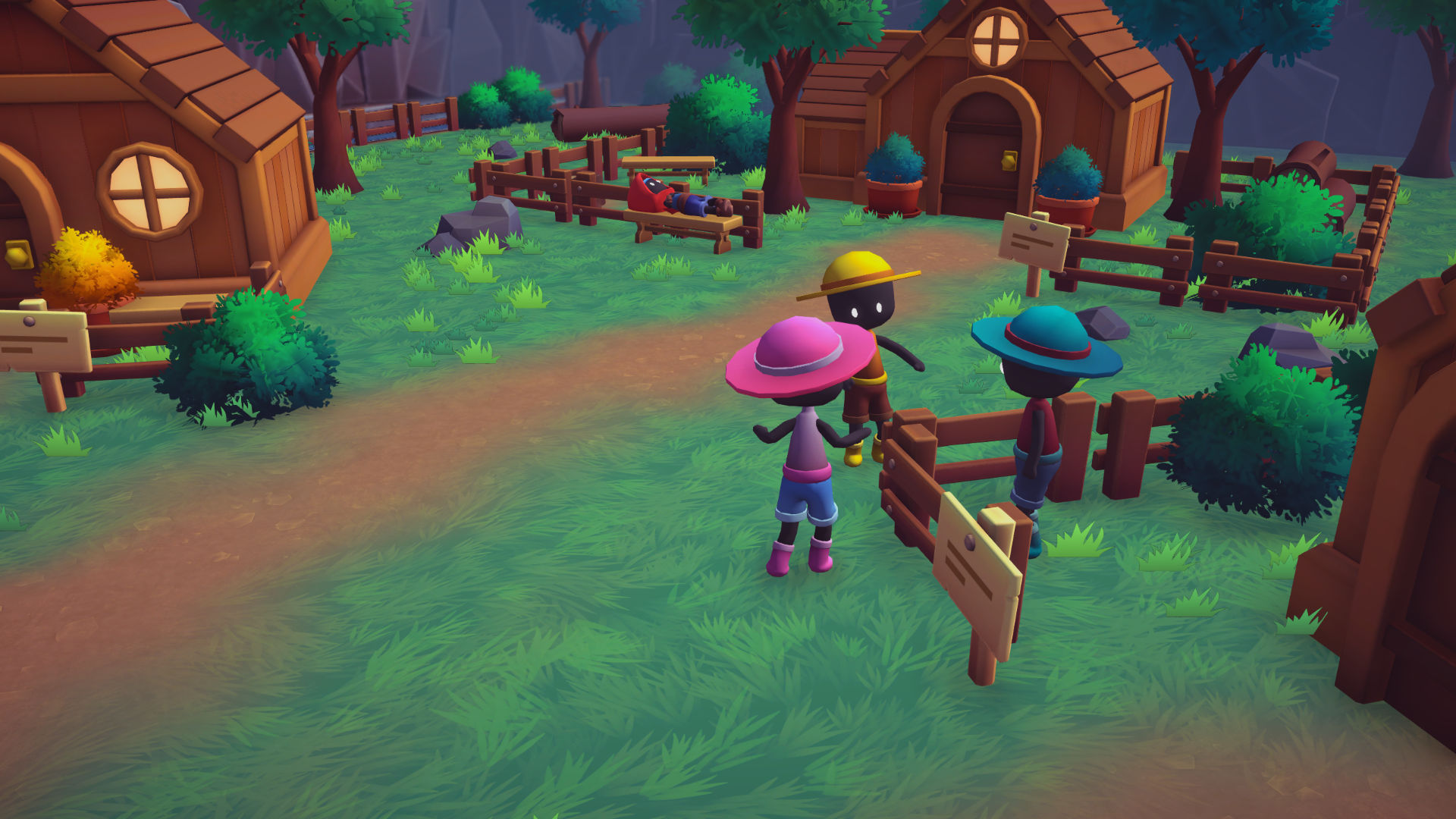
Trials of the Flame is a puzzle-adventure made in one week for Brackeys Game Jam 2024.2 created in collaboration with Alejandra Falcon. Players must save their village from a volcanic eruption by completing item-based quests, exploring environments, and unlocking progression.
My goals for this project were to design a coherent, fun level that guided players naturally through the quests, to implement meaningful item-based interactions, and to collaborate effectively with an artist to create a visually consistent world under tight time constraints.
Pre-Production
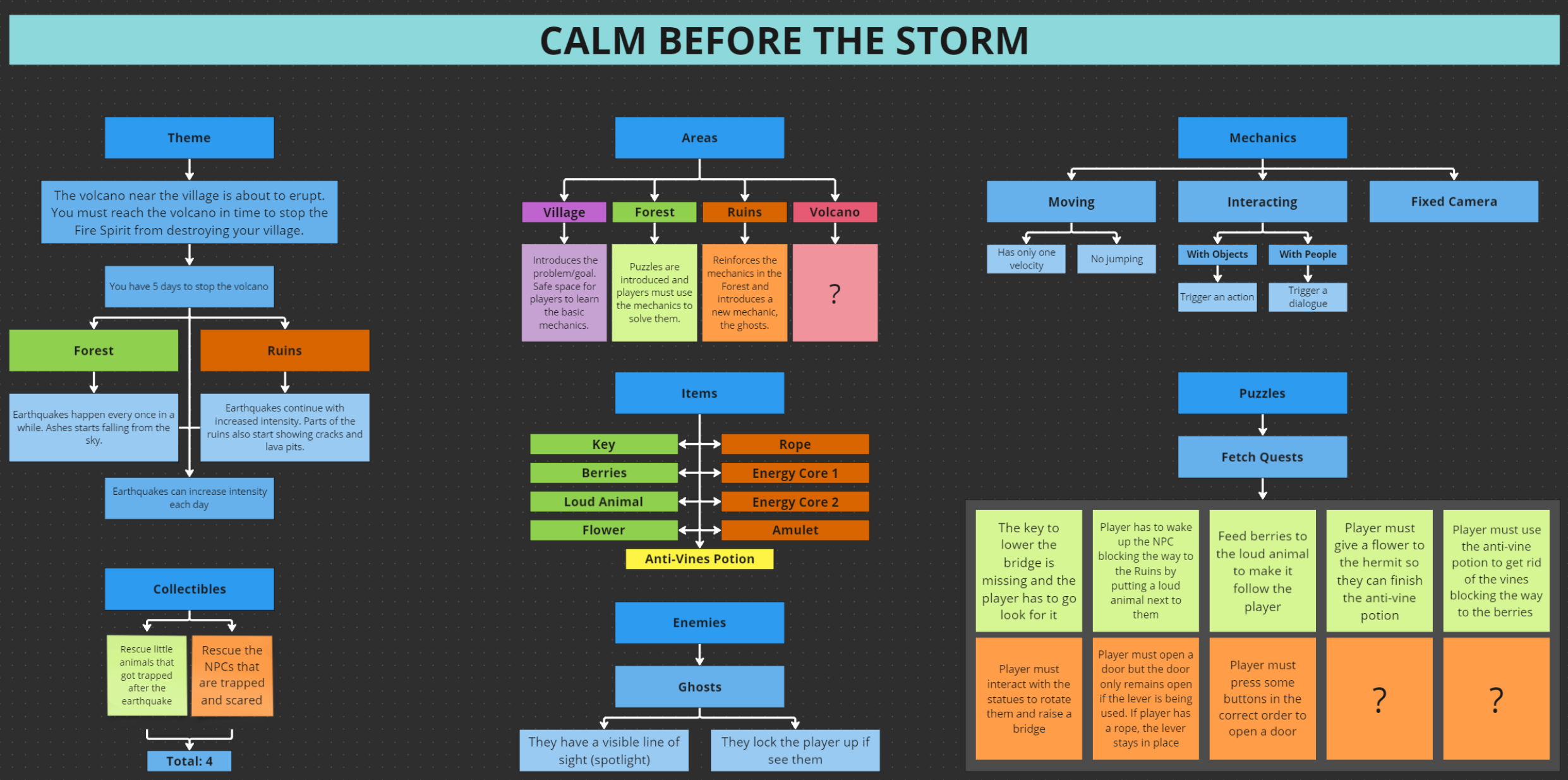
I used Miro to outline the story, objectives, and gameplay flow, keeping the design focused on the jam’s volcano theme and the one-week deadline. Early planning covered quests, items, and collectibles to maintain a clear progression and manageable scope.
Some areas, like the ruins and volcano, had to be scaled back or cut due to time constraints. However, this pre-planning made it easier to adapt quickly, prioritize what mattered most, and still deliver a cohesive final level.
2D Maps
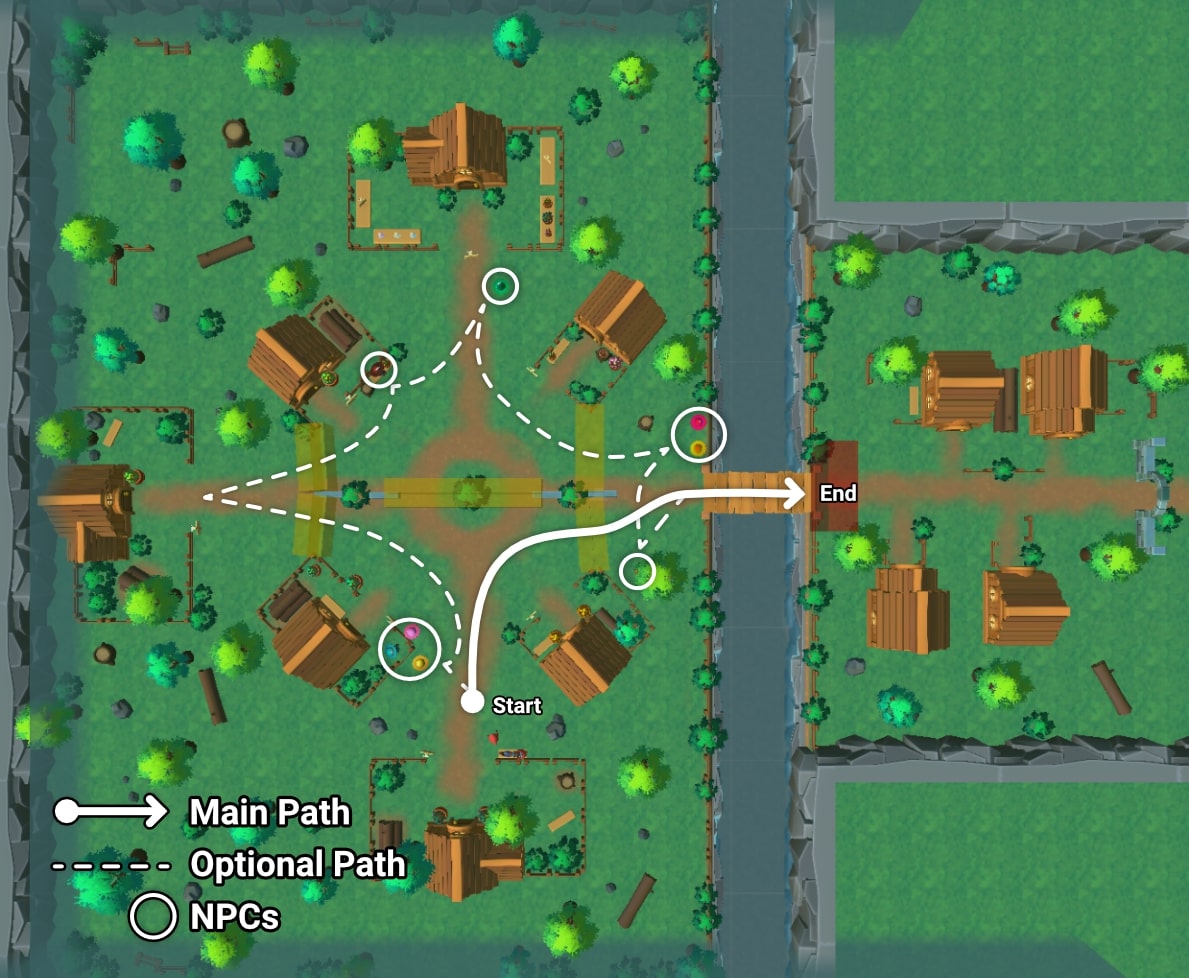
The Village
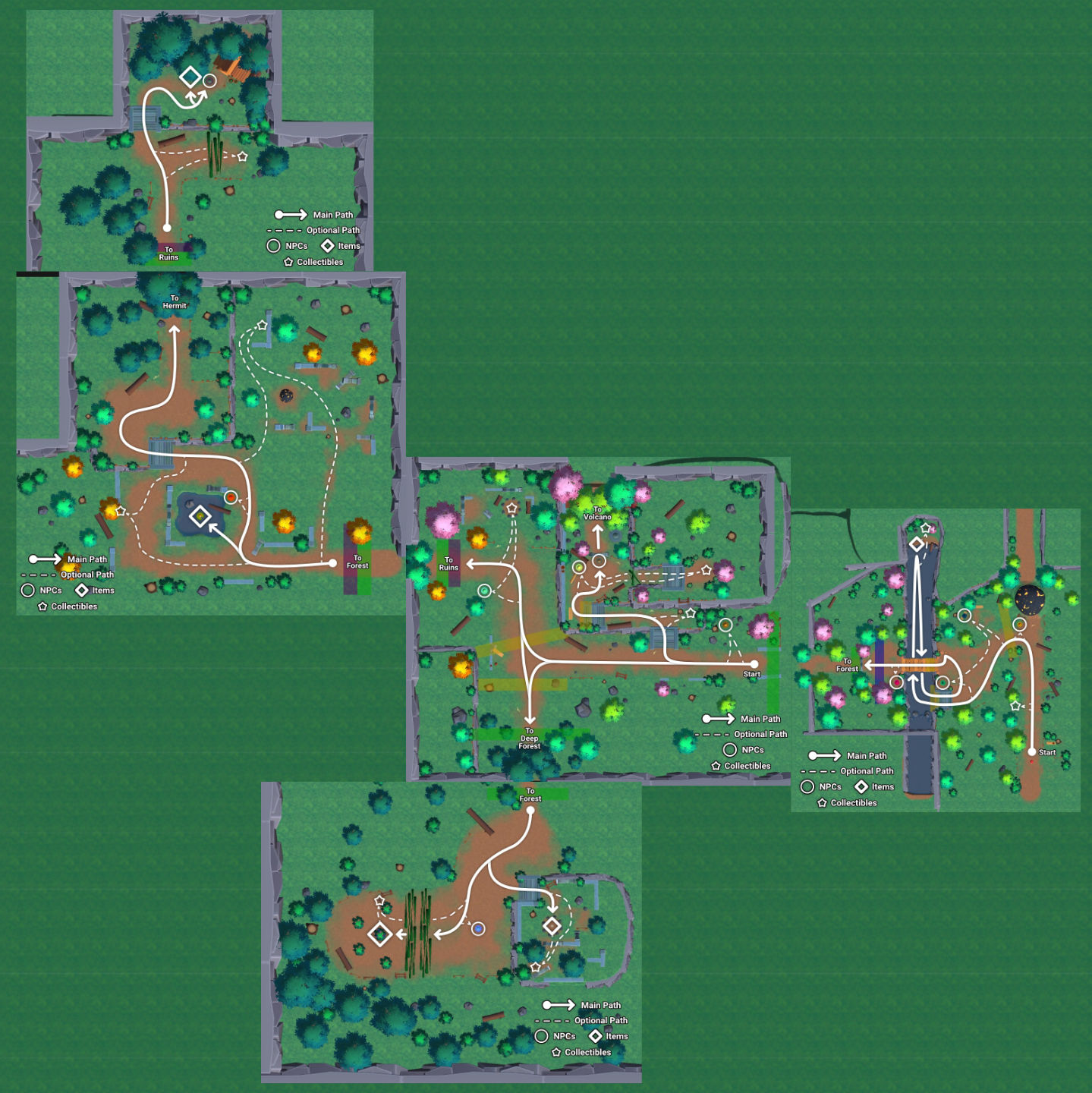
The Forest
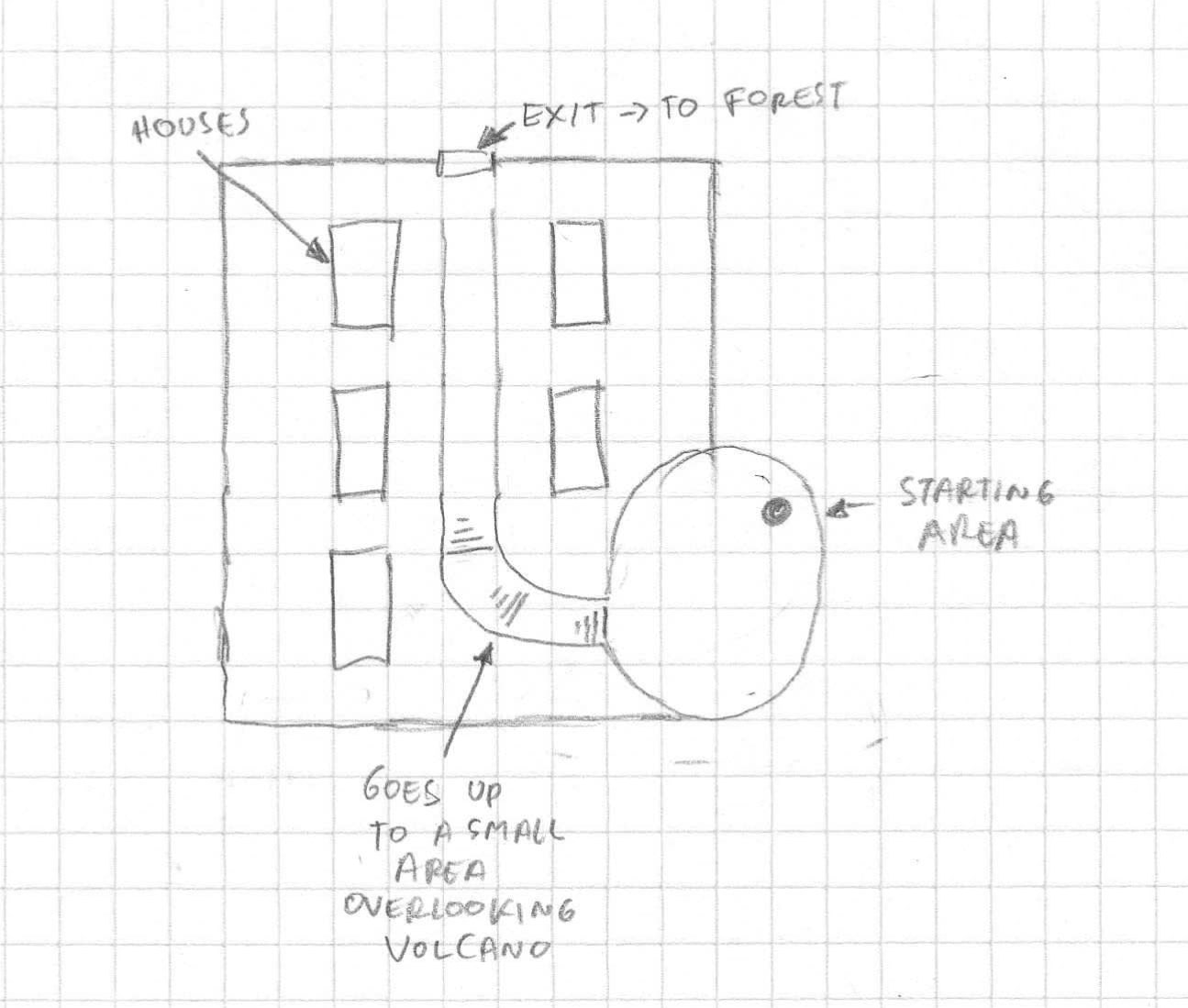
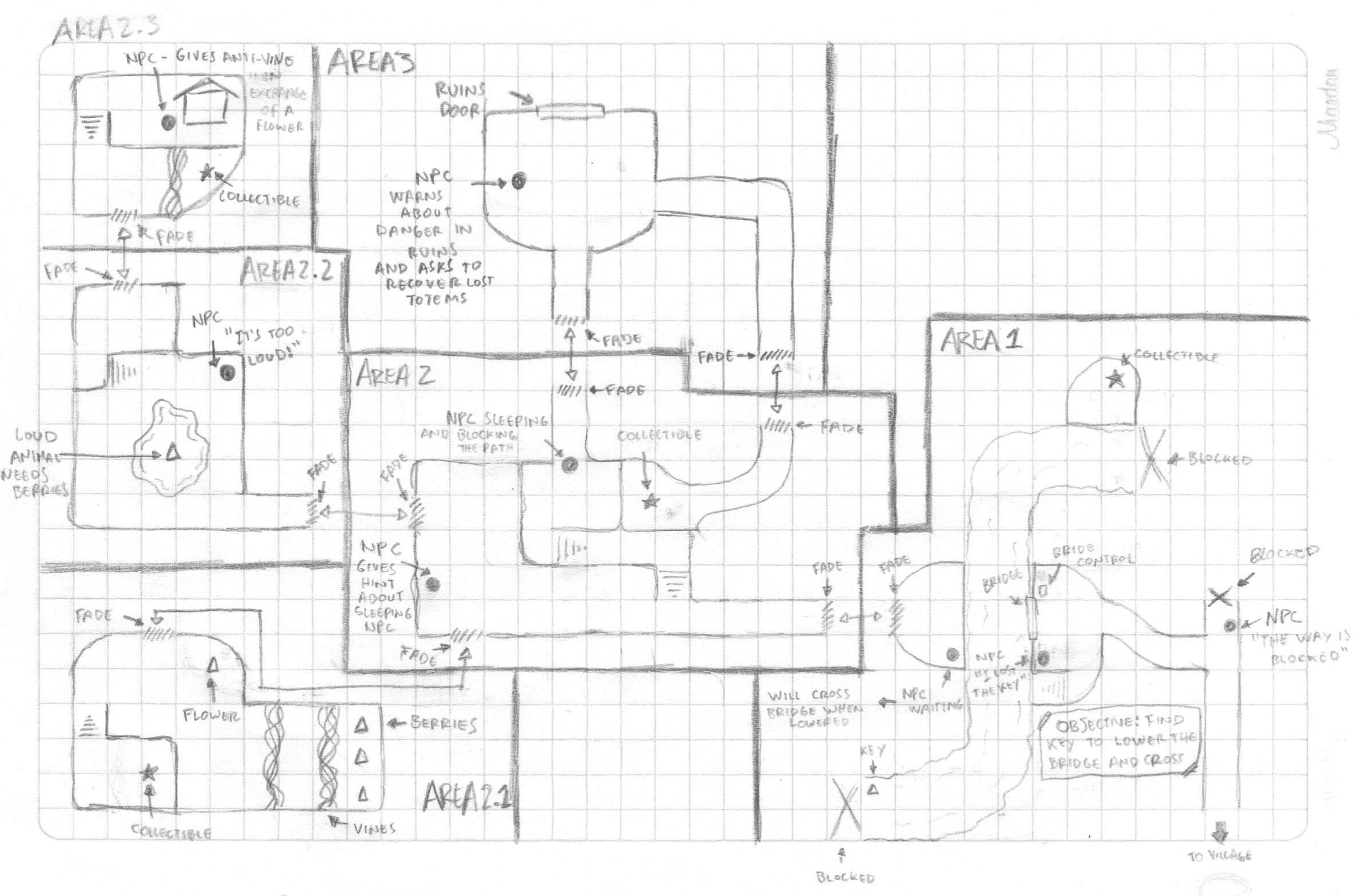
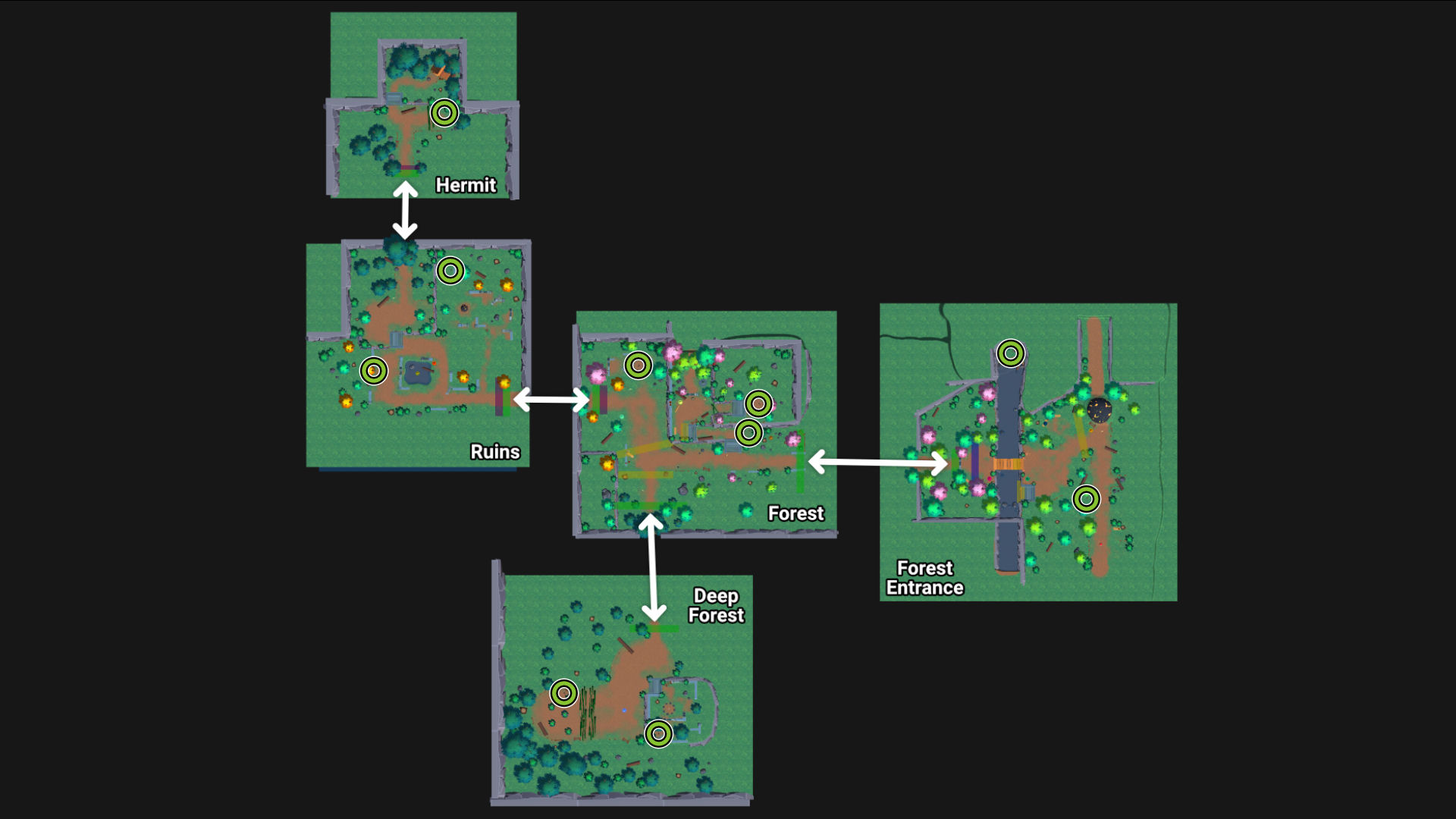
I created top-down maps for the Village and Forest to define pacing, layout scale, and item and NPC placement before moving to 3D. These maps helped visualize how players would progress through the world and interact with NPCs, puzzles, and collectibles.
Village: Introduces the story, goal, and basic interactions, establishing the narrative foundation and teaching core mechanics naturally through play.
Forest: Expands the experience into interconnected spaces that encourage exploration and progression while maintaining a clear flow.
These sketches made blockout work faster and allowed me to focus on polishing the most impactful areas.
Level Blockout
The Village
Results: Created an open, explorable village that introduces the story and mechanics while establishing the world’s tone.
Goal: Establish a familiar and welcoming starting area that encourages interaction with NPCs, and sets up the player’s main objective and connection to the village, making the space feel alive and memorable.
Implementation:
Expanded the 2D layout to give players space to explore and interact naturally.
Placed NPCs strategically to deliver context and hints through dialogue.
Added an opening cutscene to introduce the story and a short farewell moment to transition smoothly into the forest.
The Forest
Results: Built a multi-area forest with structured exploration, quest integration, and visual variety while maintaining linear progression.
Goal: Design a level that encourages discovery while maintaining a clear sense of direction through progression gating and quest structure.
Implementation:
Designed the forest around a central hub connecting multiple paths.
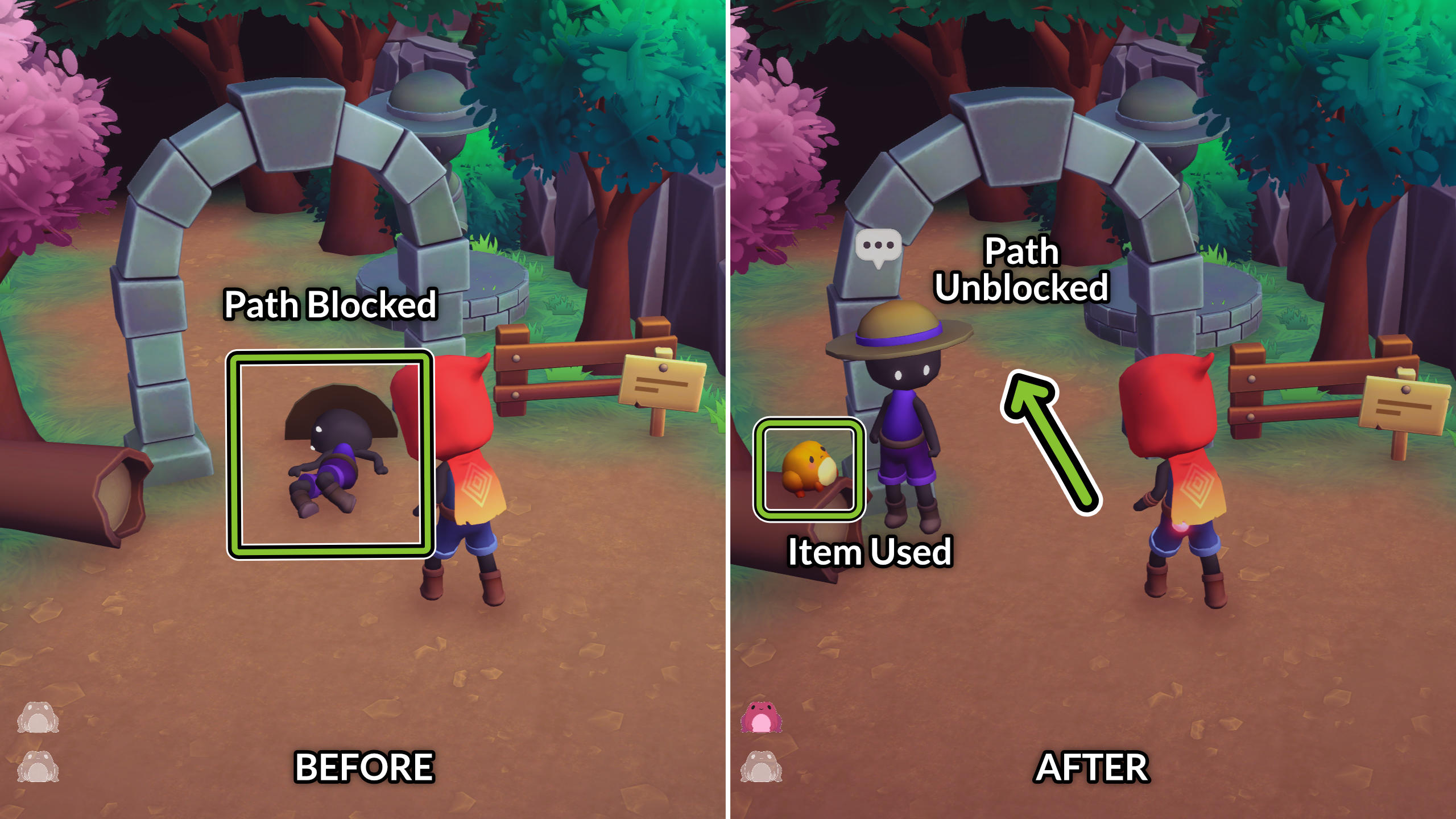
Implemented progression gating and item-based objectives to pace exploration.
Adjusted camera positions and transitions for smoother navigation and clarity.
Placed collectibles to reward exploration and NPC dialogues to subtly guide players and reinforce objectives.
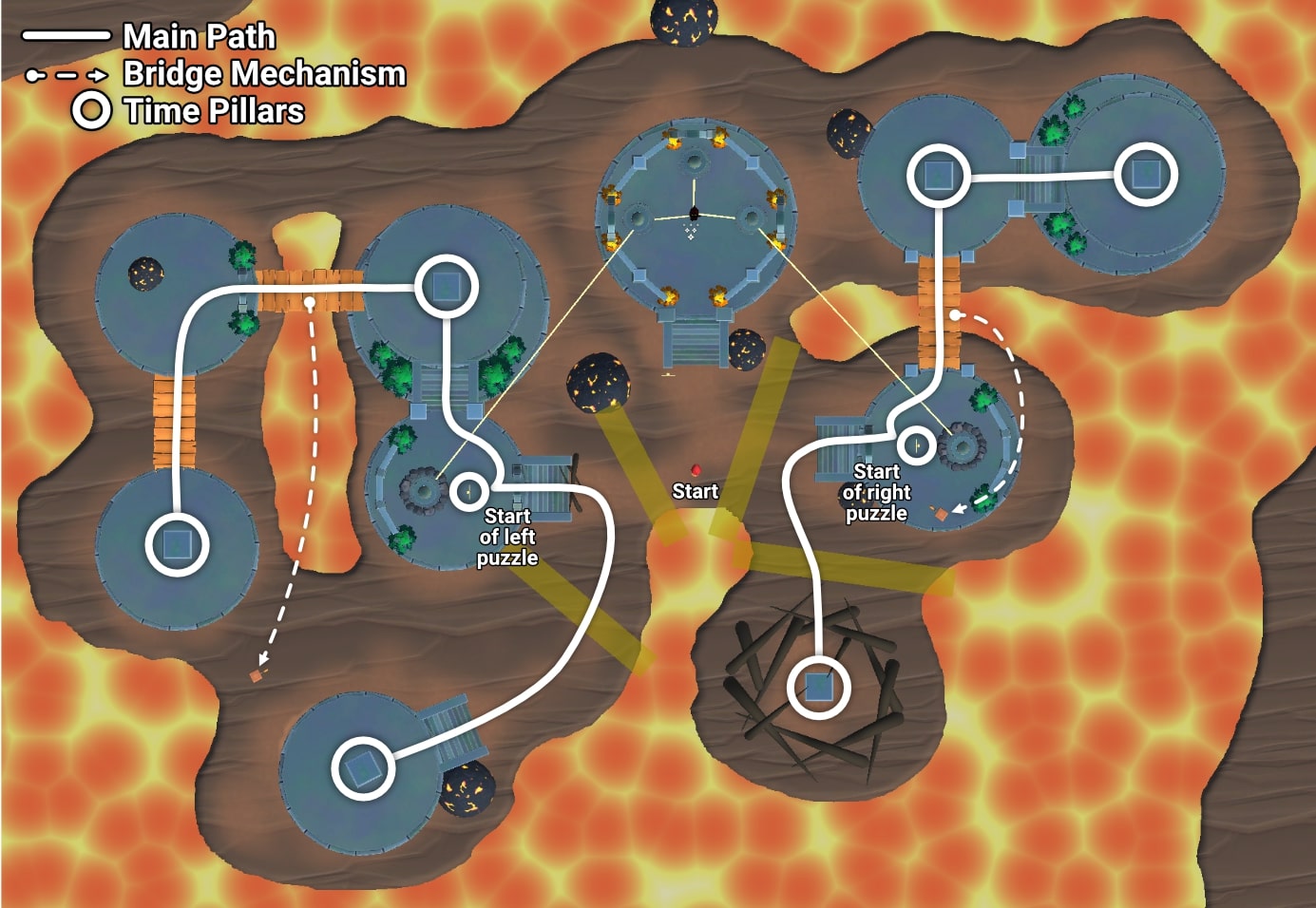
The Volcano
Results: Designed a final level that challenges players to apply what they’ve learned while providing closure to the story.
Goal: Deliver a finale that reinforces player progression and reflects the game’s rising tension through environmental and gameplay challenges.
Implementation:
Built the volcano directly in 3D without prior sketches, adapting design to available time and scope.
Integrated timed puzzles and environmental tremors to create urgency.
Concluded the level with a closing cutscene showing the spirit’s containment and the volcano’s calm restored.
Technique Highlights
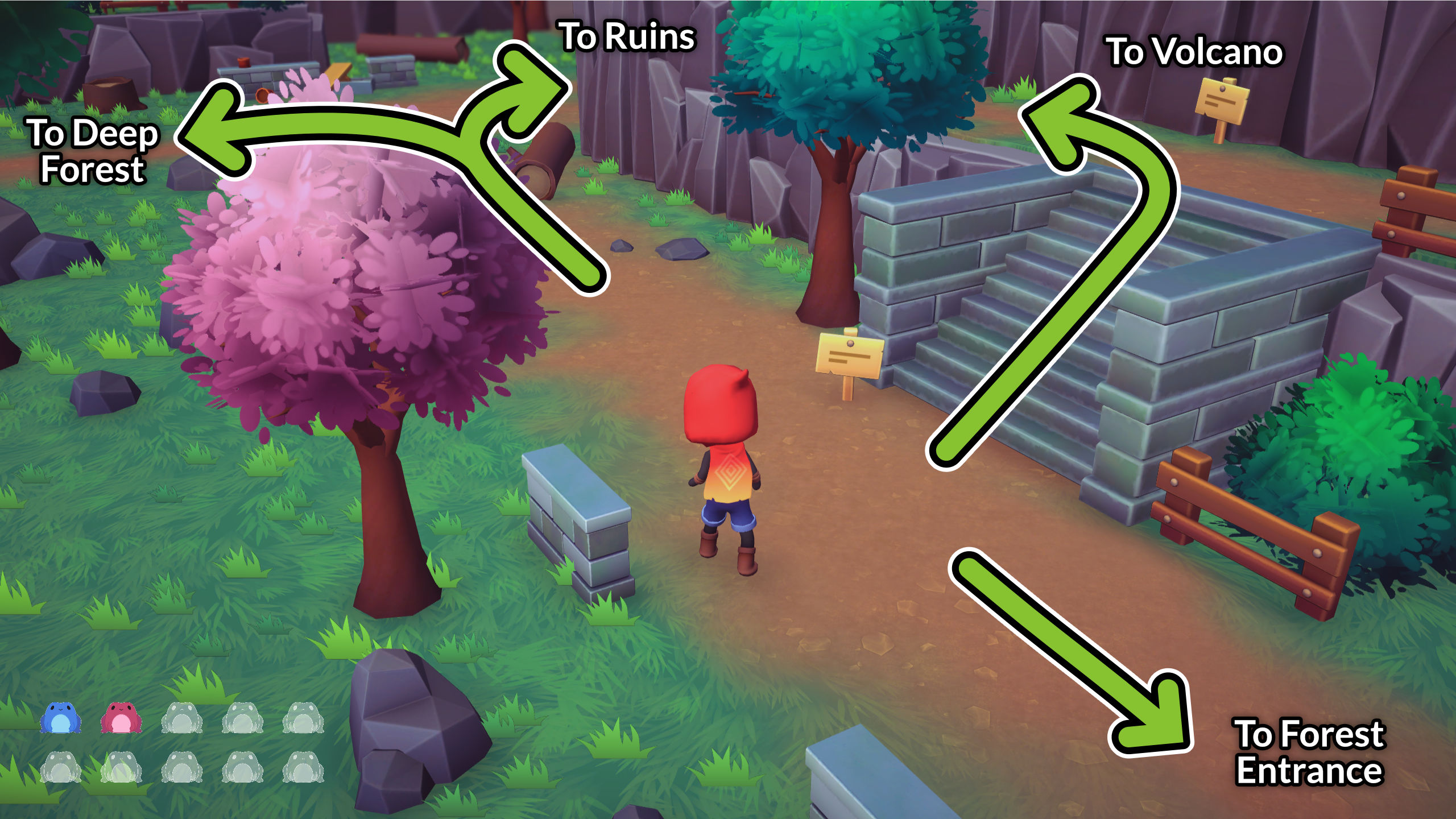
Navigational Hub
My approach: I used a hub-and-spoke layout to structure the level, providing a central area that connects multiple regions while keeping navigation clear.
How I applied it: Players move through a central hub that leads to distinct sections. Each section is visually unique, helping players understand where they are and where they need to go next.
Level examples:
Hub Connections: Players can access multiple areas from a central node in a controlled sequence.
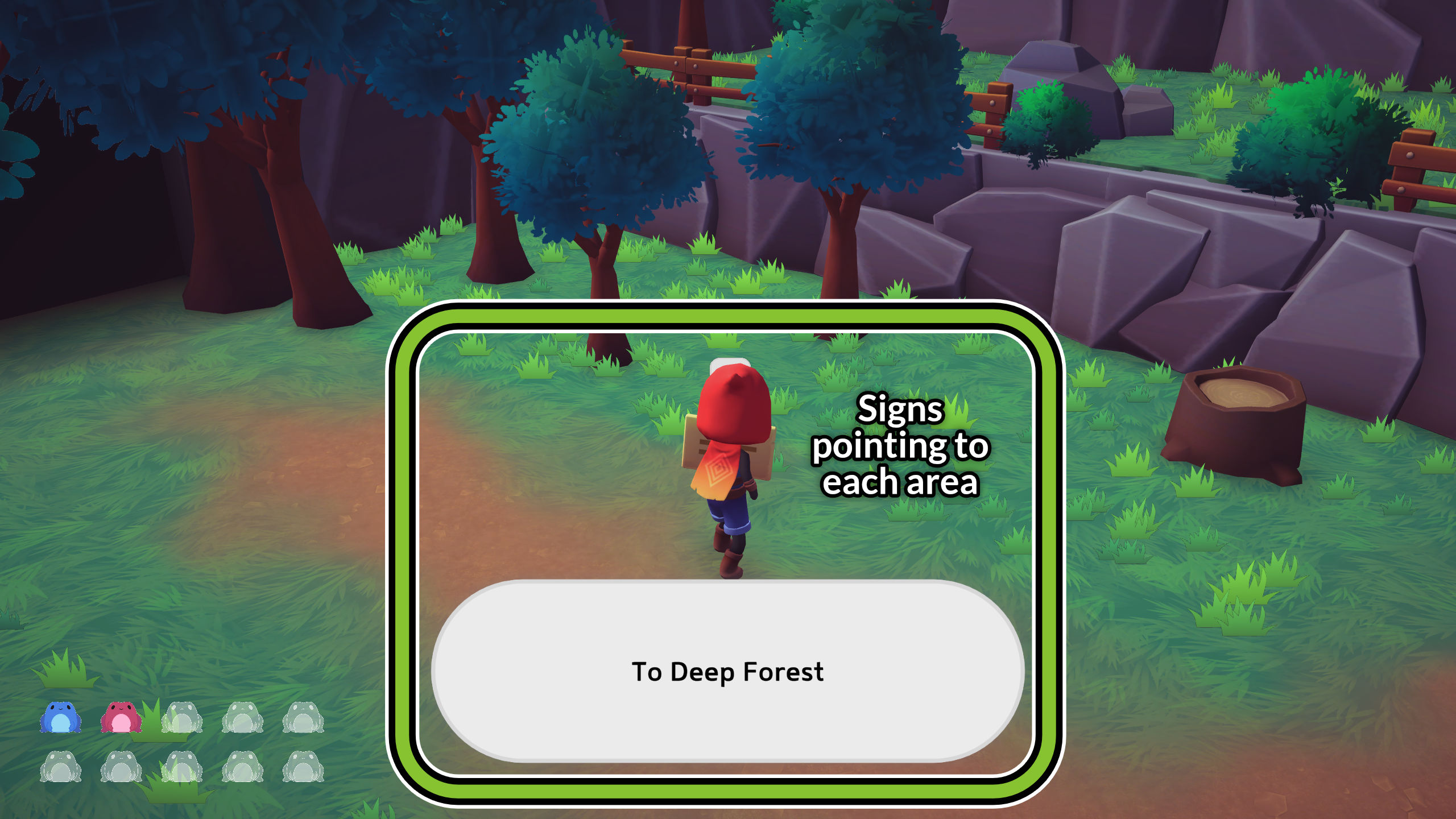
Area Signage: Interactive signs indicate the next location, guiding players naturally.
Visual Distinction: Unique environmental features make each section memorable and easily identifiable.
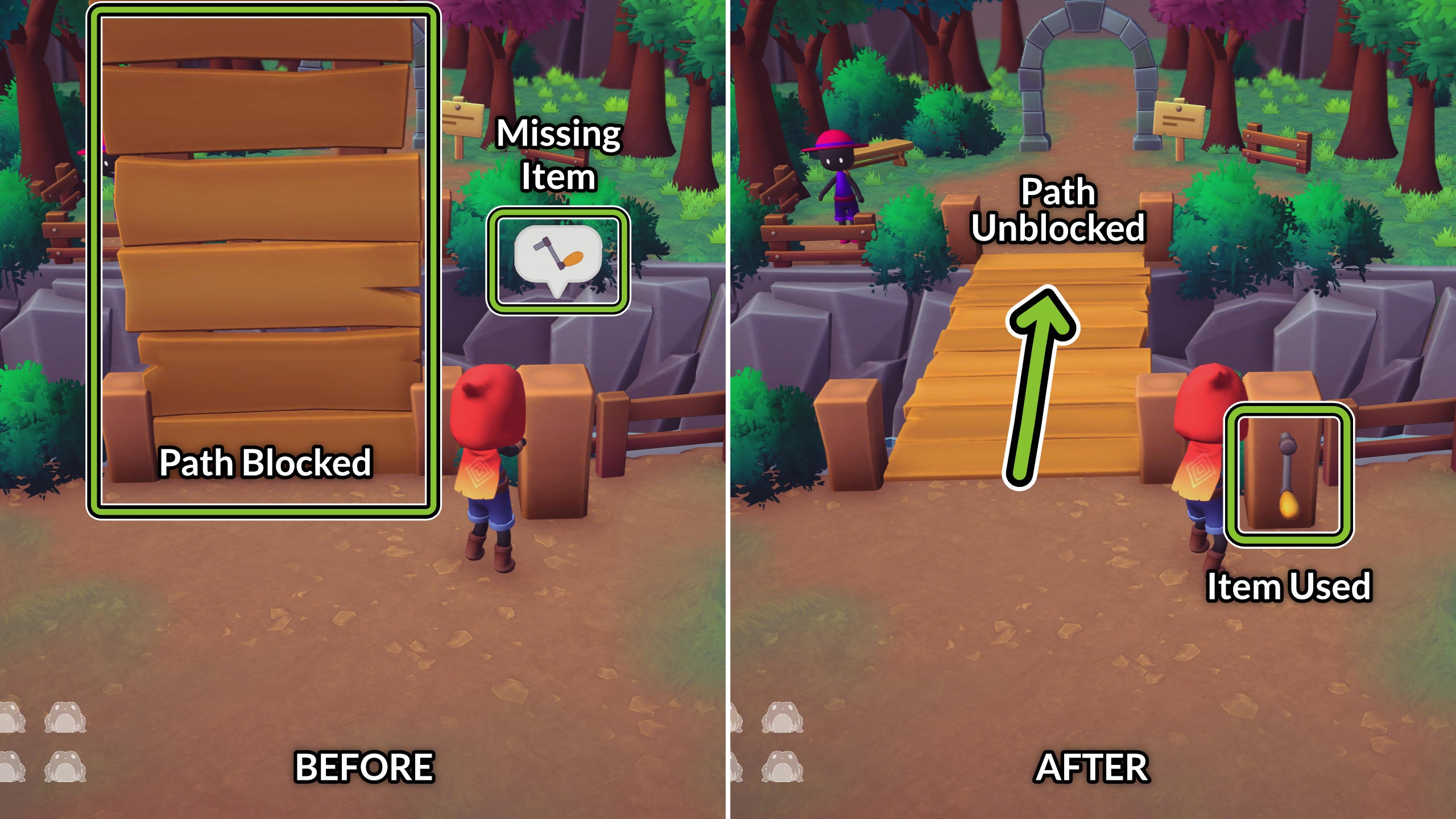
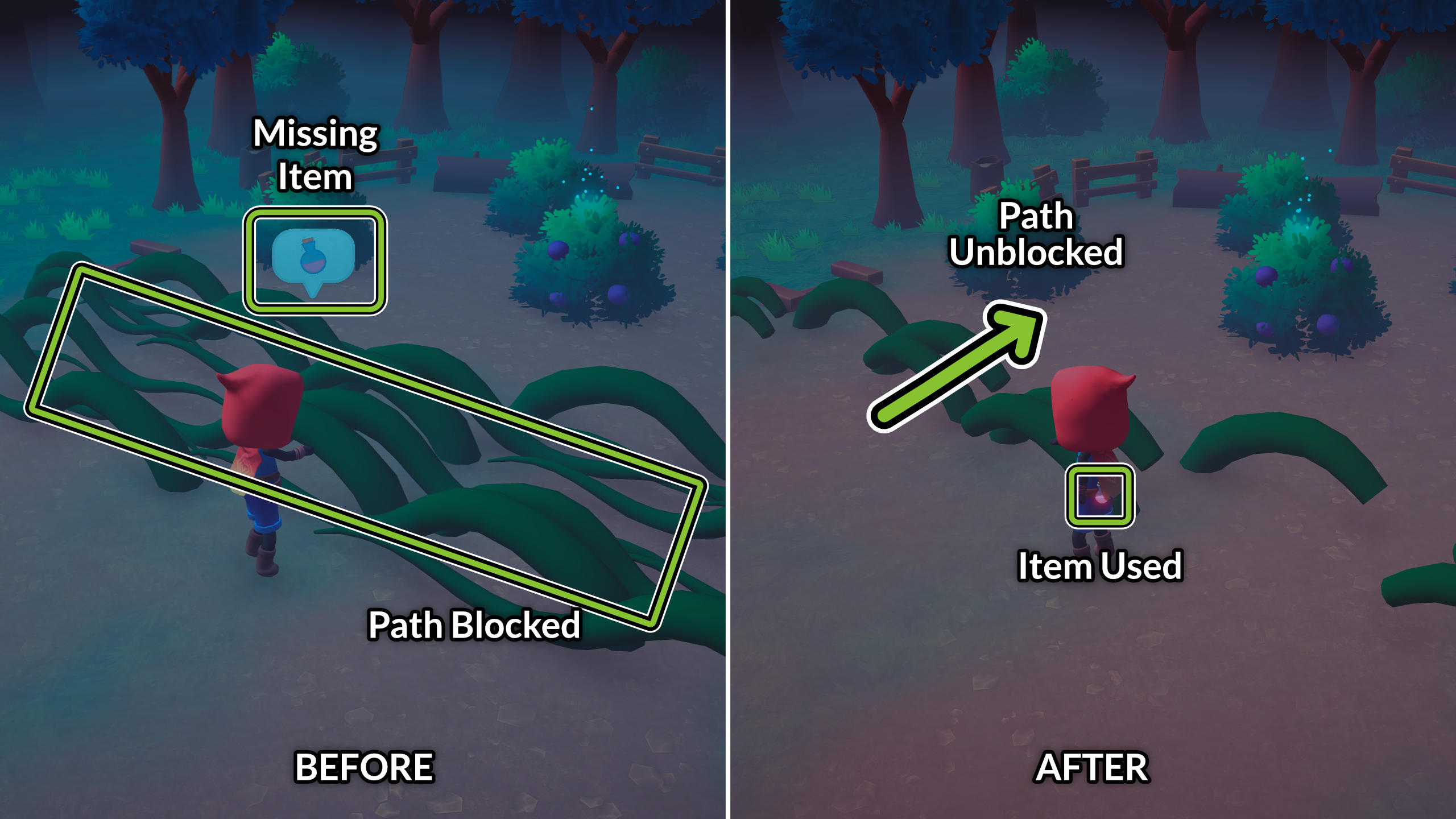
Progression Gating
My approach: I used progression gating to control the order in which players access areas and complete objectives.
How I applied it: Players must complete key tasks or obtain certain items before advancing, naturally pacing exploration and challenge.
Level examples:
Item Requirements: Players collect specific items to unlock new sections.
Sequential Access: Certain paths remain inaccessible until prerequisite objectives are completed.
Guided Flow: Gates subtly direct players without breaking immersion.
Environmental Reactions & Scripted Events
My approach: I used environmental reactions and scripted events to make the world feel responsive, reinforce narrative, and build tension as the player progresses.
How I applied it: Events trigger based on player progress, creating environmental feedback and guiding the player through the story.
Level examples:
Volcanic Activity: Increasing earthquakes, camera shakes, and visual changes across three stages, with NPC reactions.
Narrative Cutscenes: Opening introduces the village, first earthquake, and objective; ending resolves the volcano threat.
Environmental Feedback: Rocks appear, NPCs disappear, and post-processing shifts reinforce progression and urgency.
Quests
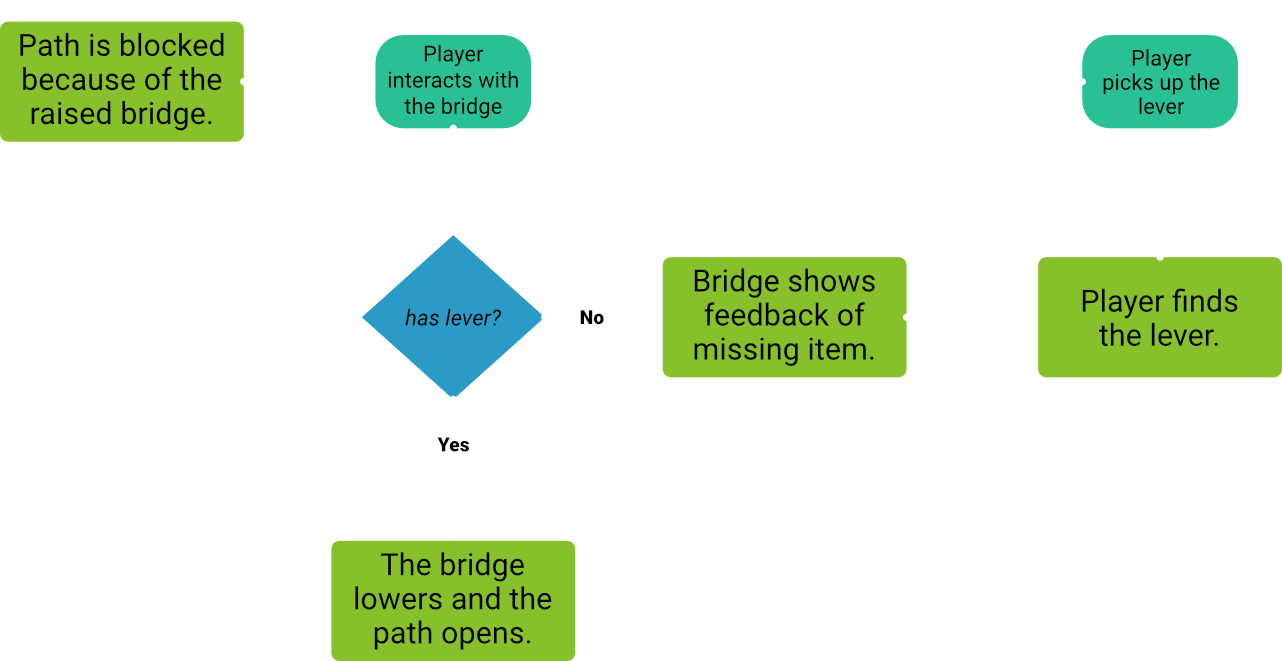
Quest 1 - Lower the Bridge
Retrieve a lever to open passage.
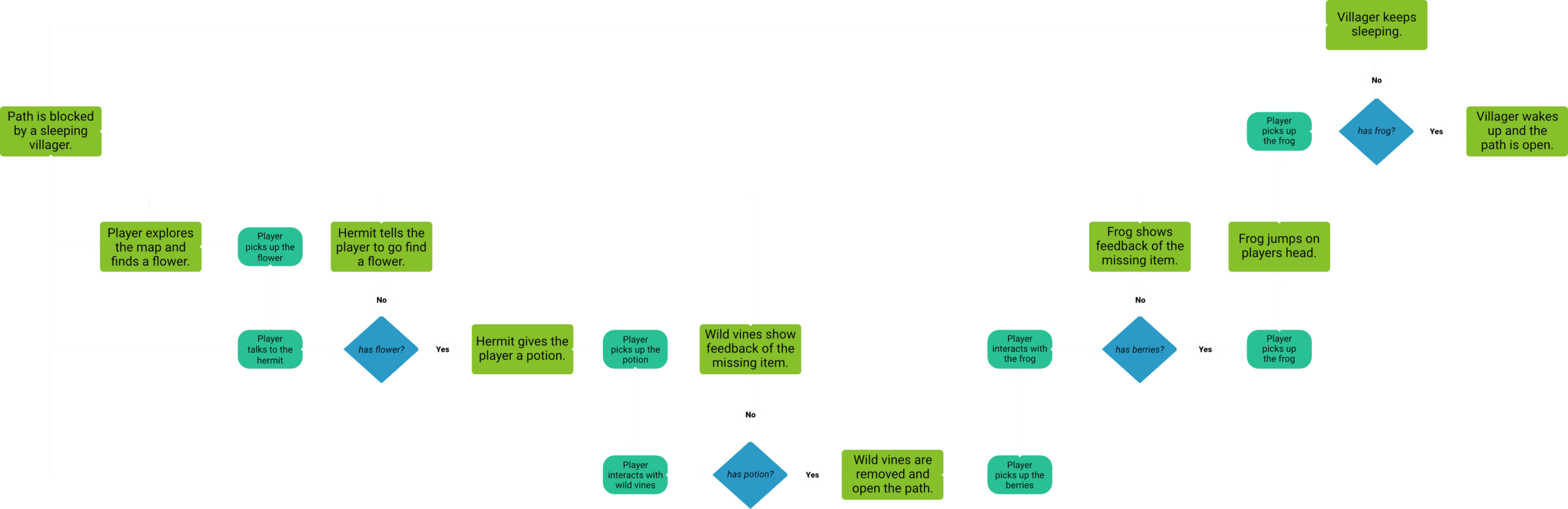
Quest 2 - Wake the Villager
Collect items in sequence to wake up the NPC blocking the path.
Results: Implemented linear item-based quests that guide players through the level while unlocking progression. Players collect and use items in sequence, moving toward the volcanic finale.
Goal: Provide structured objectives that encourage exploration and link item collection to player progression.
Implementation:
Designed quests as linear sequences with items collected in order.
Planned quest flow using flowcharts to organize item order and player progression.
Used visual cues and NPC dialogues to guide players.
Designed item interactions to gate progression, ensuring players complete each step in sequence.
Other Design Choices
I added 10 hidden frogs as optional collectibles to reward curiosity and make exploration feel more meaningful. Their placement encourages engage more with the environment.
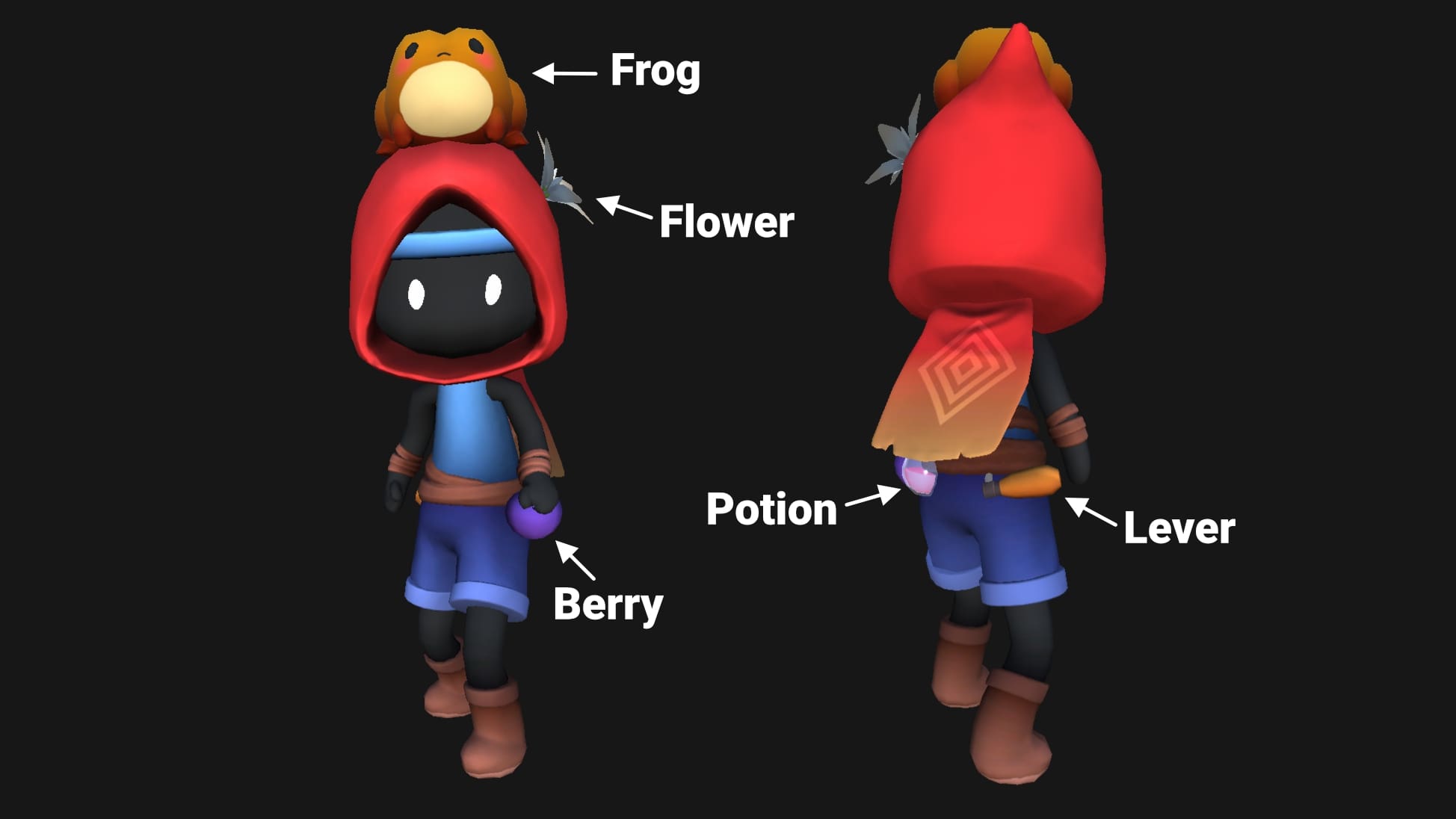
I chose to display items directly on the character instead of using a UI. This decision keeps the interface minimal and reinforces immersion by grounding item tracking in the world itself.